When It Occurs
Varies Every Year
Official Website
Timeline
Days Passed (525)
# Hashtags
#AGFEST
Overview
AGFEST is Tasmania’s largest agricultural field days event, held in:
- Tasmania
It is one of Australia’s major:
- Agricultural exhibitions
- Rural industry expos
- Farming technology events
AGFEST combines:
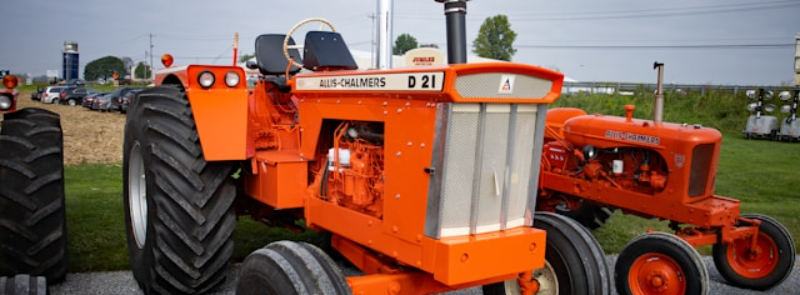
- Agricultural machinery displays
- Farming demonstrations
- Livestock exhibitions
- Business showcases
- Community activities
The event is widely recognized as:
- A major rural and economic event in Tasmania
and plays an important role in:
- Agriculture
- Regional business
- Community engagement
- Rural education
???? When It Happens
AGFEST is usually held:
- Annually in May
AGFEST
The event generally runs:
- Across three days
????️ Venue
AGFEST is traditionally held at:
- Quercus Park
near:
- Launceston
The site is specially developed for:
- Large-scale agricultural exhibitions and demonstrations
???? Organizing Body
The event is organized by:
- Rural Youth Tasmania
The organization focuses on:
- Rural leadership
- Agricultural education
- Youth development
- Community participation
AGFEST also serves as:
- A major fundraising activity for Rural Youth Tasmania
???? Historical Background
AGFEST began:
- In 1983
The event was created to:
- Support Tasmania’s agricultural industries
- Showcase new farming technology
- Bring rural communities together
Over time, AGFEST grew into:
- One of Australia’s leading field day events
???? Main Purpose
AGFEST aims to:
- Promote agriculture and rural industries
- Showcase farming innovation
- Support regional business
- Encourage agricultural education
The event highlights:
- Tasmania’s rural economy and farming culture
???? Agricultural Machinery & Technology
One of AGFEST’s biggest attractions is:
- Agricultural equipment exhibitions
Displays may include:
- Tractors
- Harvesters
- Irrigation systems
- Farm vehicles
- Livestock technology
- Precision agriculture tools
The event showcases:
- Modern farming innovation
???? Farming & Rural Industries
AGFEST represents many sectors including:
- Dairy farming
- Beef production
- Sheep farming
- Crops and horticulture
- Forestry
- Aquaculture
Tasmania’s agricultural sector is highly important to:
- The state economy
???? Livestock & Animal Exhibitions
Animal displays may include:
- Cattle
- Sheep
- Alpacas
- Poultry
- Working dogs
These exhibitions help educate visitors about:
- Farming and animal husbandry
???? Working Dog Demonstrations
Working dog demonstrations are popular attractions.
These displays highlight:
- Sheepdog handling
- Livestock management skills
- Rural working traditions
Working dogs are highly important in:
- Australian farming culture
???? Agricultural Education & Youth Engagement
Education is a major focus of AGFEST.
Programs may include:
- School visits
- Student workshops
- Agricultural career information
- Environmental education
The event helps younger generations understand:
- Farming and rural industries
???? Sustainability & Environmental Awareness
Modern AGFEST events increasingly emphasize:
- Sustainable farming
- Water management
- Renewable energy
- Environmental stewardship
Agriculture is increasingly linked with:
- Climate and sustainability discussions
???? Food & Regional Produce
Food is a major attraction at AGFEST.
Visitors may enjoy:
- Tasmanian produce
- Dairy products
- Barbecue foods
- Local beverages
- Regional specialties
The event promotes:
- Tasmania’s food and agricultural reputation
???? Community Entertainment & Activities
AGFEST also includes:
- Live entertainment
- Family activities
- Community exhibitions
- Outdoor demonstrations
The atmosphere combines:
- Business expo
with - Community festival
???????????? Community Importance
AGFEST is considered:
- One of Tasmania’s most important rural events
It attracts:
- Farmers
- Businesses
- Families
- Students
- Tourists
The event strengthens:
- Rural community connections
???? Business & Economic Importance
AGFEST supports:
- Agricultural commerce
- Rural innovation
- Tourism
- Small business exposure
Companies use the event to:
- Launch products
- Network
- Demonstrate technology
???? Tourism & Regional Impact
The event contributes significantly to:
- Northern Tasmanian tourism
- Hospitality industries
- Regional economic activity
Visitors travel from:
- Across Tasmania
- Mainland Australia
to attend.
???? Modern Promotion & Digital Innovation
Modern AGFEST promotion includes:
- Social media marketing
- Online exhibitor platforms
- Digital event information
- Livestreamed demonstrations
The event combines:
- Traditional agricultural culture
with - Modern business and technology
⚖️ Challenges Facing Modern Agriculture
AGFEST discussions often involve:
- Climate variability
- Farm sustainability
- Labor shortages
- Agricultural technology
- Biosecurity
The event acts as a forum for:
- Rural problem-solving and innovation
???? Agricultural Field Days in Australia
AGFEST is part of Australia’s wider tradition of:
- Agricultural expos and field days
Comparable events include:
- Royal Queensland Show
- Henty Machinery Field Days
These events support:
- Rural industries and farming communities
???? Interesting Facts
- AGFEST began in 1983
- It is Tasmania’s largest agricultural field days event
- Rural Youth Tasmania organizes the event
- AGFEST showcases both traditional farming and modern agricultural technology
???? Key Takeaway
AGFEST is best understood as:
- Agricultural → major farming and rural industry exhibition
- Educational → showcase of innovation, sustainability, and agricultural learning
- Community → important Tasmanian rural and business gathering
It highlights:
- Tasmania’s agricultural economy
- Rural technology and innovation
- Community participation
- Farming culture and regional development