When It Occurs
Annually on 13th Feb
Timeline
Days Passed (1336)
# Hashtags
#ApologyToStolenGenerations
Overview
The Anniversary of the Apology to the Stolen Generations is observed annually on 13 February in Australia.
It commemorates the historic national apology delivered in 2008 by then Prime Minister Kevin Rudd to the Stolen Generations.
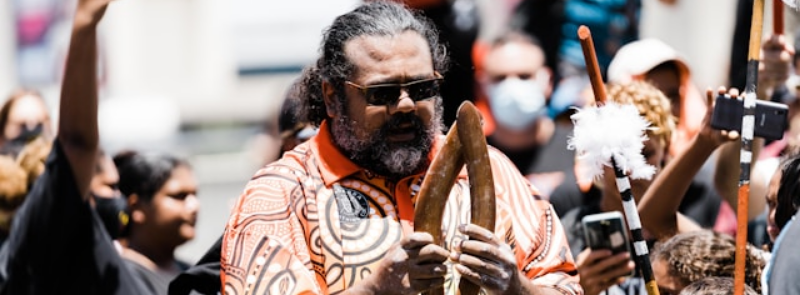
The day is one of remembrance, reflection, healing, and acknowledgment of historical injustice against Indigenous Australians.
????️ What Were the Stolen Generations?
The Stolen Generations refers to Aboriginal and Torres Strait Islander children who were forcibly removed from their families by:
- Australian federal and state governments
- Churches
- Welfare authorities
This occurred roughly from:
- Late 1800s → 1970s
Purpose of the Policies
Authorities claimed removals were for:
- Assimilation into white society
- “Protection” or welfare
In practice, the policies caused:
- Family separation
- Cultural destruction
- Trauma across generations
⚖️ Historical Context
Assimilation Policies
Governments aimed to:
- Erase Indigenous cultural identity
- Integrate Indigenous children into non-Indigenous society
Children were often:
- Placed in institutions
- Fostered or adopted into white families
- Forbidden from speaking Indigenous languages or practicing culture
???? “Bringing Them Home” Report (1997)
A major turning point came with the:
- Bringing Them Home Report
The report documented:
- Personal testimonies
- Government policies
- Long-term psychological and cultural harm
It recommended:
- Formal apology
- Reparations
- Healing initiatives
???? The National Apology (2008)
On 13 February 2008, Prime Minister:
- Kevin Rudd
delivered the official apology in the:
- Parliament House
Famous Themes of the Speech
- Acknowledgment of suffering
- Responsibility of past governments
- National reconciliation
- Healing and respect
The apology included repeated use of the word:
“Sorry”
???? Why the Apology Was Important
The apology was significant because it:
- Officially acknowledged historical wrongs
- Recognized the pain experienced by Indigenous communities
- Became a symbolic step toward reconciliation
For many Australians, it was one of the most emotionally important political moments in modern national history.
???? The Anniversary Observance
The anniversary is not a national public holiday, but it is widely recognized through:
1. Commemorative Events
- Reflection ceremonies
- Community gatherings
- Educational programs
2. Indigenous-Led Activities
- Storytelling and cultural events
- Healing circles
- Discussions about reconciliation and justice
3. Government & Institutional Recognition
Many:
- Schools
- Universities
- Councils
- Media organizations
mark the anniversary through:
- Speeches
- Public statements
- Educational initiatives
???? Themes of the Day
The observance focuses on:
- Truth-telling
- Healing
- Recognition
- Respect
- Reconciliation
It is both:
- Historical remembrance
- Ongoing social reflection
???? Long-Term Impacts of the Stolen Generations
Effects continue across generations, including:
- Intergenerational trauma
- Loss of language and culture
- Family disconnection
- Social and economic disadvantage
The issue remains deeply significant in Indigenous affairs and Australian public policy.
???? Relationship to Reconciliation
The anniversary is closely tied to:
- Reconciliation Australia
- National reconciliation efforts
- Indigenous rights movements
It forms part of broader discussions around:
- Constitutional recognition
- Treaty processes
- Truth-telling initiatives
???? Media & Public Awareness
Each year:
- Television networks
- Public institutions
- Community groups
share:
- Survivor stories
- Documentary programs
- Historical education
⚖️ Public & Political Debate
While the apology was widely supported, broader debates continue regarding:
- Reparations
- Systemic inequality
- Indigenous incarceration
- Land rights
- Constitutional reform
The anniversary often renews discussion on these issues.
???? International Significance
Australia’s apology is frequently compared with reconciliation efforts in countries such as:
- Canada (Indigenous residential schools)
- New Zealand (Māori reconciliation)
???? Interesting Facts
- The 2008 apology was broadcast live nationally
- Many Australians gathered publicly to watch the speech
- It is regarded as one of the defining parliamentary speeches in Australian history
???? Key Takeaway
The Anniversary of the Apology to the Stolen Generations is best understood as:
- Historically → acknowledgment of forced child removals
- Socially → reflection on injustice and healing
- Nationally → a major symbol of reconciliation in Australia
It remains one of the country’s most important commemorative observances related to Indigenous history and human rights.