When It Occurs
Annualy on 26th Jan
Official Website
Timeline
Days Passed (1352)
# Hashtags
#AustraliaDay
Overview
Australia Day is the official national day of Australia, observed every year on January 26. It commemorates the arrival of the First Fleet at Port Jackson in 1788 and the beginning of British colonization.
Historical Background
1. The First Fleet (1788)
- Led by Captain Arthur Phillip
- 11 ships arrived carrying convicts, marines, and settlers
- Marked the establishment of the first British colony in Sydney
2. Evolution of the Holiday
- Initially known as Foundation Day or Anniversary Day
- Became widely recognized as “Australia Day” in the 20th century
- Officially declared a national public holiday in 1994
Cultural Significance
Australia Day has dual perspectives:
A. Celebration
- National pride and identity
- Cultural diversity and achievements
- Community and unity
B. Controversy
- For many Aboriginal and Torres Strait Islander peoples, it marks:
- Colonization
- Loss of land, culture, and lives
- Often referred to as “Invasion Day” or “Survival Day”
- Ongoing debate about changing the date
How Australia Day is Celebrated
1. Citizenship Ceremonies
- Thousands of migrants become citizens on this day
- Organized by local councils across the country
2. Awards & Honors
- Prestigious awards like Australian of the Year are announced
3. Public Events
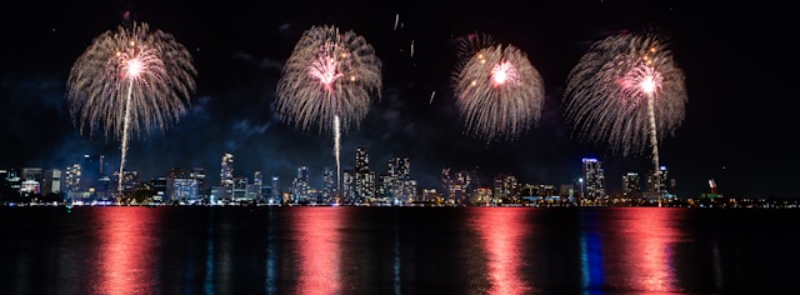
- Parades, concerts, fireworks, and festivals
- Major celebrations in cities like:
- Sydney
- Melbourne
- Perth
4. Outdoor Lifestyle
- BBQs, beach outings, picnics
- Popular spots include Bondi Beach
Traditional Activities
- Displaying the Australian flag
- Listening to the national anthem: Advance Australia Fair
- Community gatherings and family events
- Fireworks in the evening
Food & Drink
Typical Australia Day food reflects summer and outdoor culture:
- BBQ meats (sausages, steaks)
- Seafood (especially prawns)
- Salads and cold dishes
- Beer, wine, and soft drinks
Public Holiday Impact
- Nationwide public holiday
- Government offices, banks, and many businesses closed
- Public transport may run on holiday schedules
- If Jan 26 falls on a weekend, a substitute holiday is often given
Indigenous Observances
Many Indigenous communities mark the day differently:
- Day of Mourning events
- Cultural performances and storytelling
- Protest marches advocating recognition and rights
Major Events
- Sydney Harbour celebrations
- Fireworks and concerts across major cities
- Survival Day concerts highlighting Indigenous culture
Weather Context
- Mid-summer in Australia
- Typical temperatures: 25°C–35°C+
- Outdoor celebrations dominate due to warm climate
Key Debate: “Change the Date”
A major national conversation revolves around whether January 26 should remain the national day:
- Critics: Date symbolizes colonization and injustice
- Supporters: Historical significance and tradition
- No official change as of now, but debate is ongoing
Interesting Facts
- One of the largest citizenship ceremony days in the world
- Celebrated both domestically and by Australians abroad
- Combines patriotism with reflection more than many national days
Comparison with Other National Days
- Less militaristic than many countries’ national days
- More informal, outdoor, and community-driven
- Unique due to its historical controversy and dual narratives