When It Occurs
Annually on October 31st
Timeline
Days Passed (1074)
# Hashtags
#Halloween
Overview
Halloween is celebrated in Australia on 31 October each year. Traditionally associated with costumes, trick-or-treating, spooky decorations, and themed parties, Halloween has grown significantly in popularity across Australia over recent decades.
Although Halloween is not an official public holiday in Australia, it has become:
- A major cultural and commercial celebration
- Especially popular among children, teenagers, and young adults
???? When It Happens
Halloween is celebrated annually on:
- 31 October
Halloween
???? Historical Origins
Halloween originated from:
- Ancient Celtic festival traditions, especially Samhain
Samhain marked:
- The end of harvest season
- The beginning of winter
People believed the boundary between:
- The living
and - The spirit world
was thinner during this period.
✝️ Christian Influence
Halloween later became connected to:
- All Hallows’ Eve
which occurs before:
- All Saints' Day on 1 November
The word “Halloween” comes from:
“Hallowe’en”
meaning:
“Evening before All Hallows”
???????? Halloween’s Growth in Australia
For many years, Halloween was less prominent in Australia compared to:
- United States
- Canada
However, its popularity has increased due to:
- Global media influence
- Movies and television
- Social media
- Retail marketing
- American cultural influence
Today, Halloween is widely recognized across Australian cities and suburbs.
???? Main Features of Halloween in Australia
1. Trick-or-Treating
Children dress in costumes and visit homes asking:
“Trick or treat?”
Residents may:
- Give candy/chocolates
- Decorate homes
- Participate voluntarily
In Australia, participation is usually indicated by:
- Decorations
- Porch lights
- Signs welcoming trick-or-treaters
2. Costumes
Popular costumes include:
- Ghosts
- Witches
- Vampires
- Zombies
- Superheroes
- Movie characters
Costume parties are common for:
- Children
- Teenagers
- Adults
3. Decorations
Homes, schools, and businesses may display:
- Pumpkins
- Cobwebs
- Skeletons
- Jack-o’-lanterns
- Fake tombstones
- Orange and black decorations
???? Pumpkins & Jack-o’-Lanterns
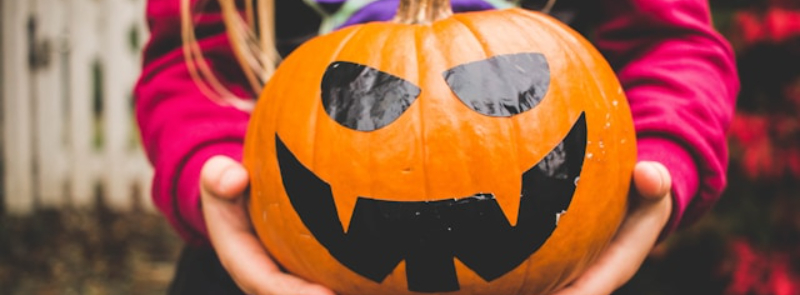
Carved pumpkins are a major Halloween symbol.
Because pumpkins historically differed in availability in Australia:
- Some Australians traditionally used other vegetables
- Pumpkin carving became more common through American influence
???? Halloween in Schools
Some Australian schools and childcare centres host:
- Costume days
- Halloween discos
- Craft activities
- Themed learning activities
Participation varies because:
- Some schools avoid Halloween for cultural or religious reasons
???? Commercial & Retail Impact
Halloween has become a major retail event in Australia.
Businesses sell:
- Costumes
- Candy
- Decorations
- Party supplies
Retail sectors benefiting include:
- Supermarkets
- Party stores
- Entertainment venues
???? Food & Treats
Popular Halloween treats include:
- Chocolates
- Candy
- Cupcakes
- Themed desserts
Halloween-themed foods often use:
- Orange
- Black
- Purple
color schemes.
???? Parties & Entertainment
Halloween parties are popular among:
- Young adults
- University students
- Families
Activities may include:
- Haunted houses
- Horror movie nights
- Costume competitions
- Escape rooms
Theme parks and entertainment venues often run:
- Halloween events and festivals
???? Horror & Pop Culture Influence
Halloween is strongly connected to:
- Horror films
- Paranormal stories
- Gothic aesthetics
- Pop culture franchises
Movies and streaming platforms heavily influence:
- Costume trends
- Decorations
- Party themes
⚖️ Public Opinions & Debate in Australia
Halloween has sometimes been debated in Australia.
Critics argue:
- It is overly commercialized
- It is imported from American culture
- It lacks Australian tradition
Supporters view it as:
- Harmless fun
- Community-building
- Creative entertainment
Despite debate, popularity continues to grow.
???? Australian Adaptations
Australian Halloween differs slightly because:
- October occurs during spring, not autumn
- Weather is often warmer than in North America
This affects:
- Costume choices
- Outdoor celebrations
- Seasonal atmosphere
???? Community Participation
Many neighborhoods organize:
- Community trick-or-treat trails
- Local festivals
- Family events
Participation is generally:
- Optional and community-driven
???? Safety & Social Awareness
Campaigns often encourage:
- Safe trick-or-treating
- Respectful behavior
- Road safety
- Allergy awareness
Parents commonly supervise:
- Young children during evening activities
???? Social Media & Digital Culture
Halloween has strong online visibility through:
- Costume posts
- TikTok trends
- Horror-themed content
- DIY decoration videos
Australian influencers and brands increasingly participate in:
- Halloween marketing campaigns
???? International Context
Halloween is now celebrated globally in many countries including:
- United Kingdom
- Ireland
- Japan
Australia’s version is influenced most strongly by:
- American Halloween culture
???? Interesting Facts
- Halloween is not a public holiday in Australia
- Participation varies widely between neighborhoods
- Retail spending on Halloween has grown significantly in Australia in recent years
- Some Australians celebrate with “reverse trick-or-treating” by offering treats outdoors
???? Key Takeaway
Halloween in Australia is best understood as:
- Cultural → modern entertainment celebration
- Social → community and family activity
- Commercial → growing seasonal retail event
It reflects Australia’s increasing participation in:
- Global pop culture
- Seasonal celebrations
- Community-based entertainment traditions