When It Occurs
Annually Every Month of May
Timeline
Days Passed (20)
# Hashtags
#InternationalRespectForChickensMonth #AnimalRights
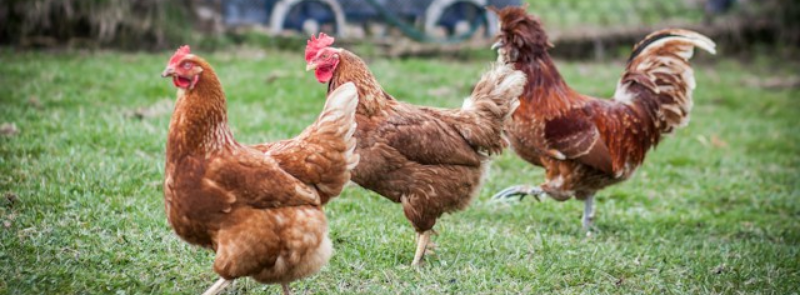
In the spirit of International Respect for Chickens Month in May, let's take a proactive approach and devise a plan to support our feathered friends! While these inquisitive and social creatures merit our respect throughout the year, this month provides an excellent opportunity to delve deeper into understanding chickens and discover ways to lend them a helping hand.
Background and History
- Origins: International Respect for Chickens Month was initiated by United Poultry Concerns (UPC), a nonprofit organization dedicated to the respectful and compassionate treatment of domestic fowl. UPC was founded in 1990 by Karen Davis, an advocate for the humane treatment of poultry.
- Purpose: The campaign seeks to highlight the often-overlooked suffering of chickens, both in industrial farming and other settings, and to promote respect and humane treatment for these animals.
Objectives
- Raising Awareness: Educating the public about the conditions in which chickens are raised and the often harsh realities of industrial poultry farming.
- Promoting Compassion: Encouraging people to treat chickens with kindness and respect, recognizing them as sentient beings with the capacity to experience pain and joy.
- Advocating for Change: Promoting changes in farming practices, legislation, and consumer behavior to improve the welfare of chickens.
Activities and Celebrations
Educational Programs
- Workshops and Seminars: Organizations and animal rights groups host workshops, seminars, and webinars to educate people about chicken welfare issues and humane farming practices.
- School Programs: Schools may include special programs and activities to teach students about the importance of respecting and protecting chickens and other animals.
Public Awareness Campaigns
- Social Media Campaigns: Using hashtags and sharing informational content, videos, and stories on social media to spread awareness about the plight of chickens and encourage compassionate behavior.
- Public Service Announcements: Creating and distributing PSAs to highlight the issues faced by chickens in industrial farming and the importance of humane treatment.
Advocacy and Activism
- Petitions and Campaigns: Launching petitions and advocacy campaigns to push for legislative changes that improve the welfare of chickens, such as banning battery cages or promoting free-range farming.
- Protests and Demonstrations: Organizing peaceful protests and demonstrations to raise public awareness and pressure policymakers to enact humane legislation.
Community Engagement
- Farm Sanctuary Visits: Organizing visits to farm sanctuaries where people can meet and interact with rescued chickens, learning about their personalities and stories.
- Volunteer Opportunities: Encouraging people to volunteer at animal shelters, sanctuaries, and organizations working to protect and care for chickens.
Dietary Changes
- Promoting Plant-Based Diets: Encouraging individuals to reduce or eliminate their consumption of chicken and other animal products, highlighting the benefits of plant-based diets for animal welfare, health, and the environment.
- Cooking Classes and Recipes: Offering cooking classes and sharing plant-based recipes to help people transition to more humane and sustainable eating habits.
Significance
- Animal Welfare: Highlighting the often-overlooked suffering of chickens in industrial farming and advocating for their humane treatment.
- Environmental Impact: Raising awareness about the environmental consequences of industrial poultry farming, such as deforestation, pollution, and resource depletion.
- Health Benefits: Promoting plant-based diets can also lead to improved human health, reducing the risk of certain diseases associated with high meat consumption.
- Ethical Considerations: Encouraging people to consider the ethical implications of their food choices and to make more compassionate decisions.
Challenges and Future Directions
- Industrial Farming Practices: Overcoming the entrenched practices of industrial farming that prioritize profit over animal welfare.
- Public Perception: Changing long-held perceptions and cultural practices that view chickens primarily as food rather than sentient beings deserving of respect.
- Legislative Change: Pushing for stronger animal welfare laws and regulations to ensure humane treatment of chickens and other farm animals.
Conclusion
International Respect for Chickens Month is a vital campaign that seeks to transform the way we view and treat chickens, advocating for their welfare and promoting a more compassionate and ethical approach to agriculture and food consumption. By raising awareness, educating the public, and encouraging legislative and behavioral changes, this observance aims to improve the lives of chickens and inspire a broader movement towards animal welfare and sustainable living.