When It Occurs
No earlier than January 21 and no later than February 21
Timeline
Days Passed (973)
# Hashtags
#LunarNewYear
Overview
Lunar New Year in Australia is one of the country’s largest and most vibrant multicultural celebrations. It marks the beginning of the new year according to the lunisolar calendar used in several Asian cultures, especially Chinese, Vietnamese, Korean, and some Southeast Asian traditions.
Although it is not a national public holiday in Australia, it is celebrated extensively due to Australia’s large Asian-Australian communities.
???? Cultural Background
Lunar New Year is associated with multiple cultural traditions:
| Culture | Holiday Name |
|---|---|
| Chinese | Chinese New Year / Spring Festival |
| Vietnamese | Tết |
| Korean | Seollal |
In Australia, the celebration is most visibly associated with the Chinese-Australian community.
???? When It Happens
- Usually falls between late January and mid-February
- Date changes every year because it follows the lunar calendar
Each year is associated with one of the 12 Chinese zodiac animals.
Examples:
- Dragon
- Snake
- Rabbit
- Tiger
????️ Historical Context in Australia
Immigration & Multiculturalism
Lunar New Year became increasingly prominent through waves of immigration from:
- China
- Vietnam
- Malaysia
- Singapore
Australia’s multicultural policies since the late 20th century helped transform Lunar New Year into a mainstream cultural event.
???? Major Celebrations Across Australia
1. Sydney — Largest Celebrations
Sydney hosts one of the largest Lunar New Year festivals outside Asia.
Key Areas
- Chinatown
- Darling Harbour
- Circular Quay
Features
- Dragon dances
- Lantern festivals
- Fireworks
- Food markets
- Cultural performances
2. Melbourne
Melbourne also hosts major celebrations, especially in:
- Chinatown precincts
- Federation Square events
3. Other Cities
Large celebrations also occur in:
- Brisbane
- Perth
- Adelaide
???? Traditional Customs
1. Red Decorations
Red symbolizes:
- Good luck
- Prosperity
- Happiness
2. Red Envelopes (Hongbao / Lai See)
Money-filled envelopes are gifted to:
- Children
- Younger relatives
- Family members
3. Family Reunion Meals
Large family dinners are central to celebrations.
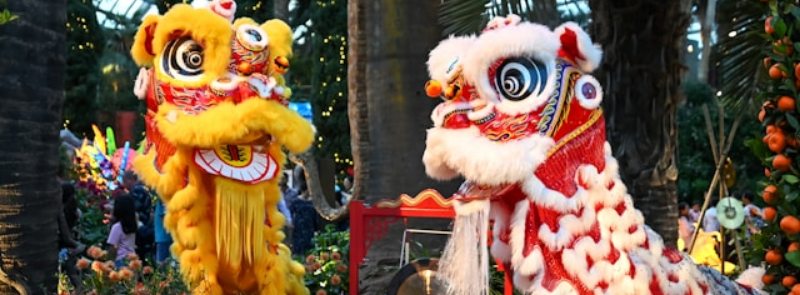
4. Lion & Dragon Dances
Traditional performances believed to:
- Bring good fortune
- Ward off bad luck
These are extremely common in Australian Chinatowns and shopping districts.
???? Food Traditions
Popular Lunar New Year foods in Australia include:
| Food | Meaning |
|---|---|
| Dumplings | Wealth |
| Noodles | Longevity |
| Fish | Prosperity |
| Rice cakes | Progress & growth |
Restaurants across major cities often create special festive menus.
???? Lantern Festivals
The celebration period often concludes with:
- Lantern displays
- Cultural art installations
- Night markets
Major public lantern installations are especially popular in Sydney.
???? Economic & Commercial Impact
Lunar New Year has become economically significant in Australia.
Industries Benefiting
- Hospitality
- Tourism
- Retail
- Luxury goods
- Food & beverage
Brands frequently launch:
- Zodiac-themed campaigns
- Limited-edition packaging
- Festival promotions
???? Cultural Importance in Australia
Lunar New Year symbolizes:
- Multicultural identity
- Community inclusion
- Cultural heritage preservation
It is one of the clearest examples of Australia’s multicultural society in public life.
???? Schools & Institutions
Many:
- Schools
- Universities
- Museums
- Councils
host educational or cultural Lunar New Year events.
????️ Seasonal Context
Unlike East Asian winter celebrations, Lunar New Year in Australia occurs during:
- Summer or late summer
- Warm outdoor festival weather
This gives Australian celebrations a more open-air, festival-style atmosphere.
⚖️ Comparison with Celebrations in Asia
| Feature | Australia | China / Vietnam |
|---|---|---|
| Public Holiday | No | Yes |
| Scale | Large urban festivals | Nationwide observance |
| Tone | Multicultural festival | Family + national tradition |
| Climate | Summer | Winter |
Australia’s version is more:
- Public
- Festival-oriented
- Multicultural
???? Modern Evolution
Over time, Lunar New Year in Australia has evolved from:
- Ethnic community celebration
to: - Major national cultural event
Today, many non-Asian Australians also participate in festivities.
???? Interesting Facts
- Sydney’s Lunar New Year celebrations are among the largest outside Asia
- Australian zoos and landmarks often feature zodiac-themed events
- Luxury brands heavily target Lunar New Year consumers in Australia
???? Key Takeaway
Lunar New Year in Australia is a unique blend of:
- Asian cultural heritage
- Australian multiculturalism
- Public festivals and modern commerce
It is simultaneously:
- Cultural → family and tradition
- Social → community celebration
- Economic → major seasonal consumer event