When It Occurs
Every October 26th
Timeline
Days Passed (1081)
# Hashtags
#NationalMuleDay #AnimalLove
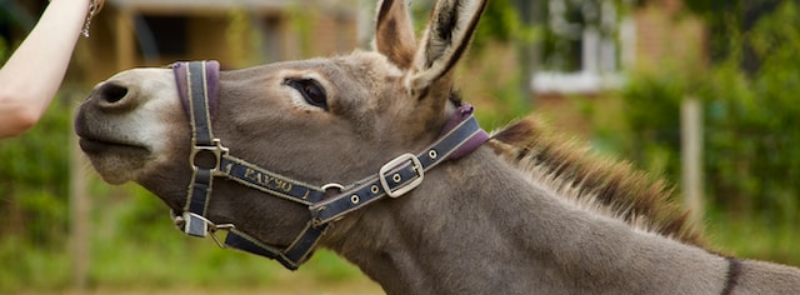
October 26th is National Mule Day, celebrating the remarkable pack animal often misunderstood as stubborn.
A mule arises from the crossbreeding of a male donkey (jack) and a female horse. This hybrid inherits traits from both parents, showcasing the donkey's strength, intelligence, patience, resilience, endurance, sure-footedness, and even-tempered nature.
History
- Origins: National Mule Day commemorates the arrival of the first mules in America. On October 26, 1785, King Charles III of Spain sent a gift of mules to George Washington, recognizing their value and versatility.
- Growth: Over the years, National Mule Day has grown in popularity, with various events and activities organized to celebrate and educate people about mules and their importance.
Significance
National Mule Day holds significant importance for several reasons:
- Historical Impact: It acknowledges the historical significance of mules in shaping agriculture, transportation, and industry.
- Educational Awareness: It raises awareness about the unique characteristics of mules and their contributions to various fields.
- Cultural Appreciation: It celebrates the cultural heritage and traditions associated with mules in different regions of the United States.
Characteristics of Mules
-
Hybrid Vigor:
- Mules inherit the best qualities of both donkeys and horses, resulting in superior strength, endurance, and intelligence. This phenomenon, known as hybrid vigor, makes mules particularly valuable for labor-intensive tasks.
-
Temperament:
- Mules are known for their calm and steady temperament. They are less prone to panic and are more patient than horses, making them reliable work animals.
-
Physical Traits:
- Mules have the size and body shape of horses, with the endurance and toughness of donkeys. They typically have long ears, short manes, and sturdy legs.
-
Sterility:
- Most mules are sterile due to their hybrid nature, possessing an uneven number of chromosomes (63). This prevents them from reproducing.
Contributions of Mules
-
Agriculture:
- Mules have been essential in farming, particularly in the 19th and early 20th centuries, for plowing fields, transporting goods, and performing other heavy labor tasks.
-
Transportation:
- Before the advent of modern vehicles, mules were a primary means of transportation, especially in rough terrains where their sure-footedness was invaluable.
-
Military Service:
- Mules have served in various military operations, carrying supplies, equipment, and wounded soldiers through challenging environments. Their reliability and endurance made them indispensable in wars and expeditions.
-
Entertainment and Tourism:
- Mules are popular in tourism for trail riding and pack trips in national parks and mountainous regions. They are also featured in parades, rodeos, and historical reenactments.
Ways to Celebrate
-
Visit a Mule Farm or Ranch:
- Tours and Demonstrations: Visit a local mule farm or ranch to learn about mule breeding, training, and care. Participate in tours and watch demonstrations of mules at work.
- Educational Programs: Attend educational programs or workshops that provide insights into the history, characteristics, and contributions of mules.
-
Attend Mule Shows and Festivals:
- Mule Days: Many communities host annual Mule Day festivals featuring mule shows, competitions, parades, and other activities celebrating mules.
- Rodeos and Fairs: Visit local rodeos or agricultural fairs that include mule events and exhibits.
-
Support Mule Welfare:
- Donations and Volunteering: Support organizations and charities dedicated to the welfare and conservation of mules. Consider donating or volunteering to help with mule care and rescue efforts.
- Adoption: Explore opportunities to adopt or sponsor a mule through rescue organizations.
-
Educational Activities:
- Reading and Research: Read books, articles, and online resources about mules to deepen your understanding of their history and significance.
- School Projects: Encourage students to undertake projects or presentations about mules, exploring their roles in different aspects of society.
-
Social Media Engagement:
- Share Stories and Photos: Post stories, photos, and videos of mules on social media using the hashtag #NationalMuleDay. Highlight their unique traits and contributions.
- Online Discussions: Participate in online forums and discussions to share knowledge and experiences related to mules.
Fun Facts About Mules
- Historical Roots: George Washington was one of the first Americans to recognize the value of mules, using them extensively on his plantation.
- Endurance: Mules can carry more weight and travel longer distances than horses, making them ideal for long treks and heavy labor.
- Low Maintenance: Mules require less feed than horses of the same size and are more resistant to diseases and harsh weather conditions.
Conclusion
National Mule Day is a celebration of the invaluable contributions and unique characteristics of mules. Whether through visiting a mule farm, attending a festival, supporting mule welfare, or engaging in educational activities, there are many ways to appreciate and honor these remarkable animals. This day highlights the historical, cultural, and practical significance of mules, reminding us of their enduring legacy and continued importance.