When It Occurs
Every January 29th
Official Website
Timeline
Days Passed (1350)
# Hashtags
#NationalPuzzleDay #GetThePiecesTogether
Prepare for a day of enjoyment and mental stimulation on National Puzzle Day, observed on January 29! This special occasion, dating back to the 1990s, is dedicated to celebrating various puzzles such as jigsaw puzzles, crosswords, and logic problems that encourage creative thinking. It offers a fantastic chance to step away from the routine and engage in quality time with friends or family, collaborating to solve these brain-teasing challenges.
History and Significance: The National Puzzle Day is believed to have been created by puzzle enthusiasts to promote the enjoyment and educational value of puzzles. Over the years, the day has gained popularity as people recognize the mental and emotional benefits of engaging with puzzles. From children to seniors, puzzles have a universal appeal and can be enjoyed alone or with others.
National Puzzle Day is significant because it highlights the importance of keeping the mind active and sharp. In a world where digital distractions are constant, puzzles offer a refreshing and stimulating alternative that requires focus, patience, and critical thinking. The day encourages individuals to set aside time for puzzle-solving and to appreciate the joy that comes from working through a challenging problem.
Types of Puzzles:
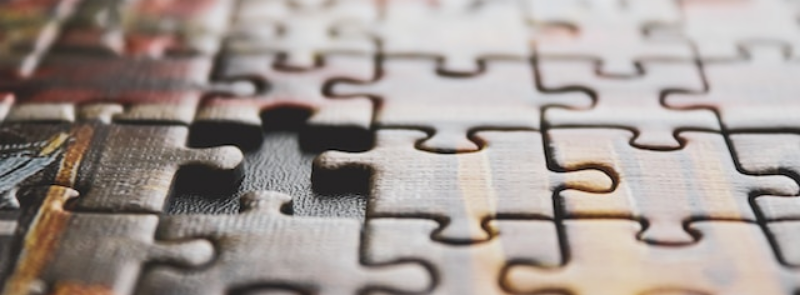
- Jigsaw Puzzles: These puzzles consist of small, interlocking pieces that fit together to form a complete picture. Jigsaw puzzles come in a variety of sizes and difficulty levels, from simple designs to complex images with thousands of pieces.
- Crossword Puzzles: Crossword puzzles are word puzzles that involve filling in a grid with words based on given clues. They are popular in newspapers and puzzle books and are known for their ability to expand vocabulary and improve language skills.
- Sudoku: A number puzzle that involves filling a 9x9 grid with digits so that each column, row, and 3x3 section contains all numbers from 1 to 9. Sudoku puzzles range in difficulty from easy to extremely challenging.
- Word Searches: Word search puzzles consist of a grid of letters in which words are hidden in various directions. The goal is to find and circle all the words from a provided list.
- Brain Teasers: Brain teasers are puzzles that challenge the mind with tricky questions or problems that require creative thinking to solve.
- Logic Puzzles: Logic puzzles involve reasoning and deduction to arrive at the correct solution. They often include puzzles like "who-done-it" scenarios, where the solver must figure out who committed a crime based on given clues.
Benefits of Solving Puzzles:
- Improves Memory: Puzzles, particularly jigsaw puzzles and crossword puzzles, help improve short-term memory by requiring the solver to recall shapes, words, and patterns.
- Enhances Problem-Solving Skills: Puzzles challenge individuals to think critically, recognize patterns, and develop strategies to solve problems effectively.
- Promotes Patience and Persistence: Solving puzzles requires patience and persistence, teaching individuals to keep trying and stay focused until they reach the solution.
- Reduces Stress: Engaging in puzzles can be a relaxing and meditative activity, helping to reduce stress and anxiety by providing a sense of accomplishment.
- Boosts Cognitive Function: Regularly solving puzzles can help keep the brain sharp, improving cognitive function and potentially delaying the onset of cognitive decline in older adults.
- Encourages Social Interaction: Puzzles can be a social activity, bringing people together to work on a common challenge, whether it's a family working on a jigsaw puzzle or friends tackling a difficult crossword.
Ways to Celebrate National Puzzle Day:
- Solve a Puzzle: Celebrate the day by solving your favorite type of puzzle, whether it’s a jigsaw puzzle, crossword, Sudoku, or brain teaser. Choose a puzzle that challenges you and enjoy the process of solving it.
- Start a Puzzle Challenge: Challenge yourself to complete a difficult puzzle in a set amount of time, or participate in a puzzle-solving competition with friends or family.
- Try a New Puzzle: If you’re used to solving one type of puzzle, try something new. Explore different puzzles that you haven’t tried before, such as a logic puzzle, a word search, or a new type of brain teaser.
- Work on a Puzzle Together: Gather family or friends and work on a large jigsaw puzzle together. It’s a great way to spend quality time while engaging in a mentally stimulating activity.
- Create Your Own Puzzle: Get creative and make your own puzzle. You can design a custom crossword puzzle, create a personalized jigsaw puzzle, or invent a new brain teaser for others to solve.
- Puzzles for Kids: Introduce children to the joy of puzzles with age-appropriate jigsaw puzzles, word searches, or logic puzzles. Puzzles help develop critical thinking skills in children and provide a fun, educational activity.
- Donate Puzzles: Consider donating puzzles to a local school, senior center, or library. Puzzles provide mental stimulation and enjoyment for people of all ages, and your donation can bring joy to others.
- Share on Social Media: Share your puzzle-solving achievements on social media using hashtags like #NationalPuzzleDay and #PuzzleDay. Connect with other puzzle enthusiasts and discover new puzzles to try.
Interesting Facts About Puzzles:
- Oldest Known Puzzle: The oldest known mechanical puzzle, the Stomachion, dates back to ancient Greece and is attributed to the mathematician Archimedes. It is considered an early form of a dissection puzzle, similar to a tangram.
- Rubik’s Cube: The Rubik’s Cube, invented in 1974 by Hungarian architect Ernő Rubik, is one of the best-selling puzzles in the world, with over 350 million cubes sold globally.
- Crossword Puzzle History: The first modern crossword puzzle was published on December 21, 1913, in the New York World newspaper. It was created by British-born journalist Arthur Wynne.
Conclusion: National Puzzle Day is a celebration of the joy, challenge, and cognitive benefits that puzzles offer. Whether you’re a seasoned puzzle enthusiast or new to the world of puzzles, this day provides the perfect opportunity to engage your mind, develop problem-solving skills, and enjoy the satisfaction of completing a challenging puzzle. On January 29th, take time to solve your favorite puzzles, explore new ones, and share the fun with others. Embrace the mental stimulation and relaxation that puzzles provide, and celebrate the timeless appeal of these brain-boosting activities.