When It Occurs
Every March 27th
Timeline
Days Passed (1307)
# Hashtags
#NationalSpanishPaellaDay #TasteOfSpain
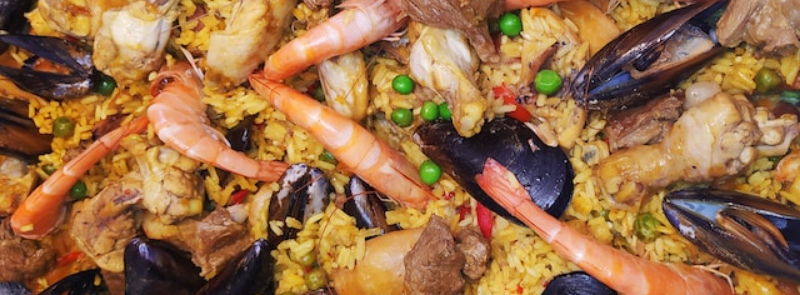
March 27th marks the annual celebration of National Spanish Paella Day, a delight for food enthusiasts. This culinary holiday offers yet another opportunity for food lovers to savor the tasty and delicious Spanish Paella. Renowned worldwide, Spanish Paella is a traditional dish featuring rice as the main ingredient, often served as the main course. While various countries and regions have their own interpretations and variations, the most authentic paellas are crafted in Spain, particularly on the beach, incorporating fresh seafood. Celebrate the flavors of this special Valencian Spanish dish, as National Spanish Paella Day promises a joyous feast for food lovers everywhere.
History and Origins of Paella
-
Origins in Valencia:
- Paella originated in the Valencia region of Spain, particularly around the area of Albufera, a lagoon near the city of Valencia. The dish is believed to have been created by farmers and laborers who cooked rice over an open fire in the fields, adding whatever ingredients they had on hand, such as tomatoes, onions, snails, and beans. Over time, the dish evolved to include a variety of other ingredients, including meat, seafood, and spices.
-
The Name "Paella":
- The word "paella" comes from the Old French word "paelle," which in turn comes from the Latin word "patella," meaning "pan." The name refers to the wide, shallow pan traditionally used to cook the dish. In Valencian, "paella" simply means "frying pan," but it has come to represent the dish itself.
-
Evolution of the Dish:
- Paella evolved into several variations over the centuries, with different regions of Spain creating their own versions. The most traditional version is "paella Valenciana," which typically includes rice, green beans, rabbit, chicken, snails, and sometimes duck, cooked in olive oil and seasoned with saffron and rosemary. Seafood paella, which includes a variety of shellfish and fish, has become one of the most popular versions worldwide.
-
Cultural Significance:
- Paella is deeply embedded in Spanish culture and is often served at family gatherings, festivals, and communal events. It is traditionally cooked over an open fire, and the preparation of paella is considered an art form, with each step carefully followed to ensure the perfect balance of flavors and textures.
How to Celebrate National Spanish Paella Day
There are many ways to celebrate National Spanish Paella Day, whether you’re cooking at home, dining out, or simply learning more about this iconic dish:
-
Make Your Own Paella:
- Celebrate National Spanish Paella Day by making your own paella at home. Whether you choose a traditional paella Valenciana, a seafood paella, or a vegetarian version, the process of cooking paella can be a fun and rewarding experience. Gather your ingredients, including saffron, rice, and your choice of meats or seafood, and cook it in a large, shallow pan. The key to a perfect paella is achieving the "socarrat," the crispy layer of rice at the bottom of the pan.
-
Host a Paella Party:
- Paella is a dish meant to be shared, so why not host a paella party? Invite friends and family over to enjoy a communal meal of paella, along with Spanish tapas, sangria, and other Spanish dishes. Cooking paella together can be a great way to bond and celebrate the day.
-
Dine at a Spanish Restaurant:
- If you prefer to let the professionals handle the cooking, visit a Spanish restaurant that serves authentic paella. Many restaurants offer different varieties of paella, allowing you to experience the rich flavors of this traditional dish. Pair it with a glass of Spanish wine or sangria for a complete experience.
-
Learn About the History of Paella:
- Take some time to learn more about the history and cultural significance of paella. Understanding the origins of the dish and its place in Spanish cuisine can deepen your appreciation for this beloved meal.
-
Try Different Varieties of Paella:
- While paella Valenciana is the most traditional version, there are many other types of paella to explore. Try a seafood paella (paella de marisco), a mixed paella (paella mixta) that includes both meat and seafood, or a vegetarian paella that highlights the flavors of fresh vegetables and herbs.
-
Share on Social Media:
- Share your National Spanish Paella Day celebration on social media. Post photos of your paella creation, your dining experience, or any fun facts you’ve learned about the dish. Use hashtags like #NationalSpanishPaellaDay or #PaellaDay to connect with others who are celebrating.
-
Watch Cooking Demonstrations:
- Many chefs and cooking enthusiasts share their paella-making techniques online through videos and tutorials. Watching a cooking demonstration can provide valuable tips and inspiration for making your own paella.
-
Experiment with Ingredients:
- While traditional paella recipes are time-honored, don’t be afraid to get creative with your ingredients. Try adding different vegetables, experimenting with various types of seafood or meats, or even making a fusion paella that incorporates flavors from other cuisines.
Fun Facts About Paella
-
World Record Paella: The largest paella ever made was cooked in Valencia, Spain, in 2001. It served over 110,000 people and required over 6,000 kilograms of rice, 12,000 kilograms of meat, and 5,000 kilograms of vegetables.
-
Saffron's Role: Saffron is a key ingredient in traditional paella, giving the dish its distinctive golden color and unique flavor. Saffron is one of the most expensive spices in the world, and only a small amount is needed to flavor an entire pan of paella.
-
Socarrat: The crispy, caramelized layer of rice at the bottom of the paella pan is called "socarrat." Many consider this to be the best part of the dish, and achieving the perfect socarrat is a mark of a well-made paella.
-
Paella Pans: Traditional paella is cooked in a wide, shallow pan called a "paellera." The pan is specifically designed to ensure even cooking and to maximize the surface area, allowing the rice to cook evenly and develop the coveted socarrat.
-
Paella’s Global Appeal: While paella is a Spanish dish, it has become popular worldwide, with different countries and regions putting their own spin on the recipe. In many places, paella is a symbol of Spanish culture and cuisine.
Conclusion
National Spanish Paella Day is a celebration of one of Spain’s most iconic dishes and a day to enjoy the rich flavors and communal spirit that paella represents. Whether you’re cooking a traditional paella Valenciana, trying a seafood variation, or exploring new ingredients, the day offers a chance to indulge in a culinary tradition that has been enjoyed for centuries. By participating in National Spanish Paella Day, you can savor the tastes of Spain, share a meal with loved ones, and appreciate the artistry and history behind this beloved dish.