When It Occurs
Every March 21st
Official Website
Timeline
Days Passed (1)
# Hashtags
#WorldPuppetryDay #ArtisticExpression
March 21st marks the celebration of World Puppetry Day, acknowledging puppetry as an esteemed art form and paying tribute to puppeteers globally. The concept of this day originated from Javad Zolfaghari, a puppet theater artist from Iran, who proposed it in 2000 at the XVIII Congress of the Union Internationale de la Marionnette in Magdeburg.
Puppets have served various purposes, from storytelling for children to being a form of theater addressing the needs, ideas, and interests of societies worldwide. World Puppetry Day is commemorated through diverse means, including festivals and shows. Additionally, you can get into the spirit the week before by crafting your own puppets.
History of Puppetry
- Ancient Roots:
- Puppetry has ancient origins, dating back thousands of years. It has been found in many cultures worldwide, from ancient Egypt, Greece, and Rome to traditional performances in Asia and Africa.
- Cultural Traditions:
- Various cultures have their unique puppetry traditions:
- Japan: Bunraku, a form of traditional Japanese puppet theater.
- Indonesia: Wayang, a classical Javanese puppet performance art.
- India: Kathputli, a traditional string puppetry from Rajasthan.
- Europe: Punch and Judy shows in the UK and Guignol in France.
- Various cultures have their unique puppetry traditions:
Significance of Puppetry
-
Artistic Expression:
- Puppetry combines multiple art forms, including sculpture, painting, theater, music, and dance.
- It provides a unique medium for storytelling, conveying complex narratives and emotions.
-
Educational Tool:
- Puppetry is used in education to engage children, teach moral lessons, and enhance creativity and imagination.
- It helps in developing communication skills and can be a therapeutic tool for children and adults alike.
-
Cultural Preservation:
- Puppetry plays a crucial role in preserving and transmitting cultural heritage and traditions.
-
Social and Political Commentary:
- Historically, puppetry has been used to comment on social and political issues, often providing a voice to marginalized communities.
Celebrations and Activities
-
Puppet Shows and Performances:
- Theaters and cultural institutions organize puppet shows, showcasing various styles and traditions of puppetry.
-
Workshops and Demonstrations:
- Workshops for children and adults to learn about puppet making and manipulation techniques.
-
Festivals and Parades:
- Puppetry festivals and street parades featuring large puppets and interactive performances.
-
Educational Programs:
- Schools and community centers hold special programs and activities to introduce students to the art of puppetry.
-
Exhibitions and Screenings:
- Museums and galleries host exhibitions of puppets, while film screenings feature documentaries and movies related to puppetry.
-
Social Media Campaigns:
- Puppeteers and enthusiasts share videos, photos, and stories on social media platforms using hashtags like #WorldPuppetryDay and #PuppetryDay.
Prominent Puppetry Organizations
-
UNIMA (Union Internationale de la Marionnette):
- The oldest international theater organization, founded in 1929, dedicated to promoting and preserving the art of puppetry worldwide.
-
Puppet Theaters and Companies:
- Various renowned puppet theaters and companies contribute to the development and innovation in puppetry.
-
Puppetry Festivals:
- Major puppetry festivals, such as the Festival Mondial des Théâtres de Marionnettes in France and the World Puppet Festival in Thailand, attract international audiences and performers.
Types of Puppetry
-
Hand Puppets:
- Manipulated by the puppeteer's hand inside the puppet.
-
Marionettes:
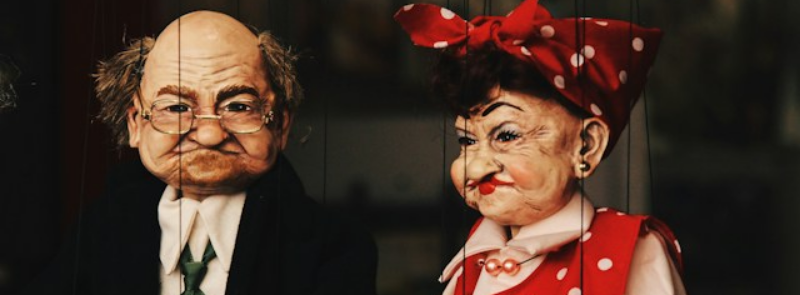
- String-controlled puppets that are manipulated from above.
-
Shadow Puppets:
- Flat figures held between a light source and a screen, creating silhouetted images.
-
Rod Puppets:
- Controlled by rods attached to the puppet's limbs.
-
Bunraku Puppets:
- Japanese puppets manipulated by multiple puppeteers, often requiring years of training.
-
Finger Puppets:
- Small puppets worn on fingers, suitable for simple storytelling.
Modern Innovations
-
Digital Puppetry:
- Incorporates technology and animation to create virtual puppets.
-
Hybrid Forms:
- Combines traditional puppetry with other performance arts, such as dance and digital media.
-
Educational and Therapeutic Applications:
- Puppetry is increasingly used in therapy for children with autism and other developmental disorders, as well as in educational settings to teach various subjects.
World Puppetry Day is an opportunity to celebrate the creativity, diversity, and cultural richness of puppetry. It brings together puppeteers, artists, and audiences to appreciate this ancient and continually evolving art form.