Meaning, History & Significance
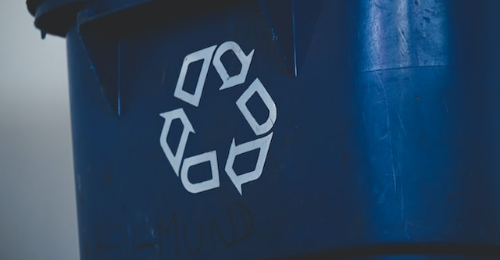
Overview National Recycling Week is a major environmental awareness campaign in Australia focused on: Recycling Waste reduction Sustainable living Circular economy practices The week encourages Australians to: Recycle correctly Reduce waste Reuse materials Improve environmental responsibility It is one of Australia’s key national sustainability and environmental education initiatives. ???? When It Happens National Recycling Week is observed annually: In November It usually runs: For one week nationwide The exact dates vary each year. ????️ Organizing Body The campaign is organized by: Planet Ark with support from: Local councils Businesses Schools Community groups Waste management organizations ???? Main Purpose National Recycling Week aims to: Increase recycling awareness Improve recycling habits Reduce landfill waste Encourage sustainable consumption Promote environmental responsibility The campaign emphasizes: Practical environmental action Everyday sustainability ♻️ What Is Recycling? Recycling involves: Collecting and processing waste materials so they can be: Reused Repurposed Converted into new products Common recyclable materials include: Paper Cardboard Glass Metal Certain plastics ???? Why Recycling Matters in Australia Australia faces environmental challenges including: Landfill growth Plastic pollution Resource consumption Waste management costs Recycling helps: Reduce environmental damage Conserve natural resources Lower greenhouse gas emissions ????️ Waste & Landfill Issues A major campaign focus is: Reducing waste sent to landfill Landfills can contribute to: Pollution Methane emissions Land degradation National Recycling Week encourages: Better waste separation Responsible disposal ???? Plastic Waste Awareness Plastic pollution is one of Australia’s largest environmental concerns. Campaigns often discuss: Single-use plastics Ocean pollution Packaging waste Sustainable alternatives Australians are encouraged to: Avoid unnecessary plastic use Recycle properly ???? Circular Economy Concepts The week increasingly promotes: Circular economy principles This means: Keeping materials in use longer Reducing waste creation Designing sustainable systems The goal is to move beyond: “Use and throw away” consumption ???? Schools & Educational Programs Schools commonly participate through: Recycling drives Environmental lessons Sustainability projects Waste audits Creative reuse activities Students learn about: Conservation Responsible consumption Environmental stewardship ???? Workplace & Business Participation Businesses often participate through: Office recycling initiatives Sustainability campaigns E-waste collection programs Waste reduction challenges Corporate participation is linked to: ESG and sustainability goals ???? E-Waste & Technology Recycling A major focus area is: Electronic waste (e-waste) This includes recycling: Phones Computers Batteries Electronics Improper disposal can release: Toxic substances Heavy metals ???? “Recycle Right” Education The campaign strongly emphasizes: Correct recycling behavior Australians are encouraged to avoid: Contaminating recycling bins “Wish-cycling” (putting non-recyclables into recycling) Education often covers: What can and cannot be recycled ???? Sustainable Lifestyle Promotion National Recycling Week also promotes: Composting Repairing items Reusing materials Buying sustainable products The message extends beyond: Simple recycling alone ???? Community Events & Activities Events may include: Recycling drop-off events Clean-up campaigns Community workshops Sustainability fairs Repair cafés Many councils provide: Public recycling education programs ???? Digital Campaigns & Awareness Modern campaigns use: Social media Sustainability challenges Educational videos Recycling guides Environmental influencers Digital outreach helps: Increase public participation ⚖️ Recycling Challenges in Australia Australia faces several recycling challenges including: Plastic contamination Export restrictions on recyclable waste Limited recycling infrastructure Public confusion about recycling rules National Recycling Week helps address: Awareness and behavior change ???? International Context Australia’s recycling efforts align with global sustainability movements related to: Climate action Waste reduction Circular economies Environmental discussions are strongly influenced by: United Nations sustainability goals. ???? Interesting Facts Australians generate large amounts of household waste annually Recycling systems can vary between Australian councils and states E-waste is one of the fastest-growing waste categories globally ???? Key Takeaway National Recycling Week in Australia is best understood as: Environmental → sustainability and waste reduction campaign Educational → promoting responsible recycling behavior Community → encouraging collective action for environmental protection It reflects Australia’s growing focus on: Sustainability Circular economy practices Waste reduction Climate and environmental responsibility
Dates & Calendar
Official Source
Visit the official portal for primary announcements, background, and resources.